

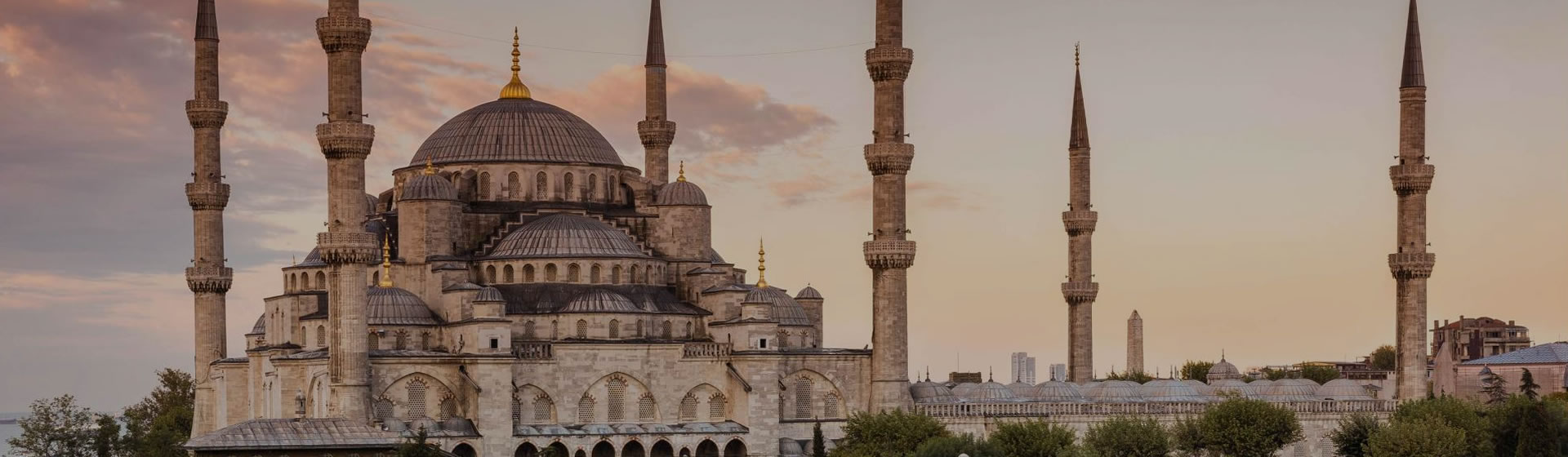

Eastern Turkey is the biggest region in Turkey, covering almost a quarter of the country. Yet, merely 12% of locals live here. This low population is a result of the region's rugged terrain, which is covered in mountains, and its long winters.
The area surrounding the Eastern region historically belonged to a number of different ethnicities, from Armenians and Zazas to Kurds. While today, the Eastern region is part of Turkey, you can still find ancient structures and all kinds of artifacts and influences from these groups, most notably Armenian, especially in architecture.
With its broad vistas and dramatic scenery, Eastern Turkey is like one vast national park. So, many people come for the sweeping scenery, the many striking archeological sites, the architecture of the region's historic buildings, and for a look at life as it was lived in an earlier time.
Top Destinations
As the region is high and mountainous, and due to late thaws and early snow, summer is the best time to visit. Eastern Turkey is less developed than the West, and you may still see farmers in small villages winnow grain in the wind the old-fashioned way.
Because of the distances in the East (maps) and its distance from the cities of the West, allow at least a week to tour the East. Have a look at our Recommended Itinerary (11 to 15 days, including the Black Sea coast and the Southeast).
Rock Valley Travel organizes both group and private tours of Eastern Turkey, or you can have them arrange this self-guided itinerary.
Here's where to go and what to see:
Erzurum
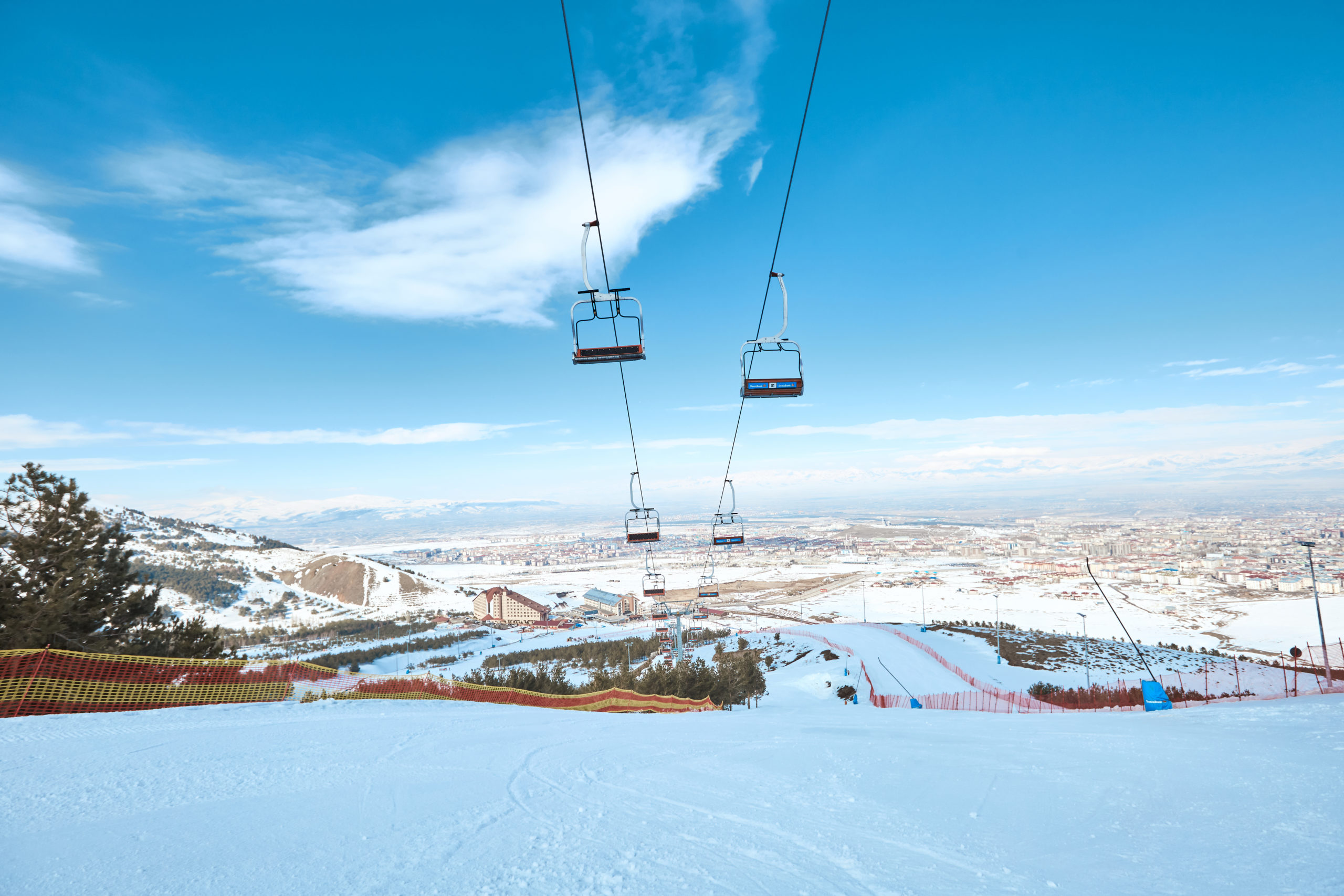
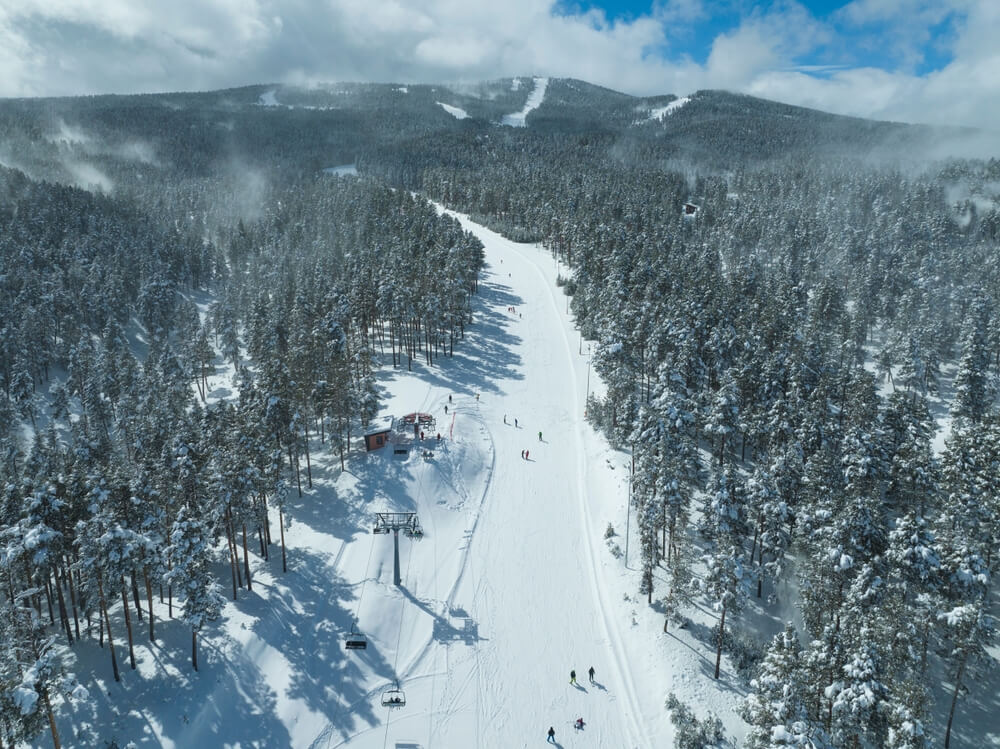
Erzurum is the "capital" and largest city in the East. It has a university, a big army base, an airport, the Palandöken ski area, and several fine Seljuk and Ottoman buildings. It's a good base for visits to the Kaçkar Mountains, Doğubayazıt, and Mount Ararat, and when the Mediterranean resort city of Antalya is engulfed in the sticky summer heat, the air is dry and pleasant in Erzurum. (If you come in winter, do it for skiing.)
Top Sights
Twin Minaret Madrasa: Built in 1253 by the Seljuks, this amazing structure is a must-see when visiting Erzurum.
Yakut Madrasa: This madrasa was built in 1310 by Emir Hoca Cemalettin Yakut and has been used for different purposes throughout the years. Today, it is one of the prime examples of madrasas in Anatolia.
Tortum Waterfalls: Tortum Waterfalls is the tallest waterfall in Turkey, racing up to 48 meters. There are also shops and plenty of opportunities to have a nice afternoon picnic.
Lake Van
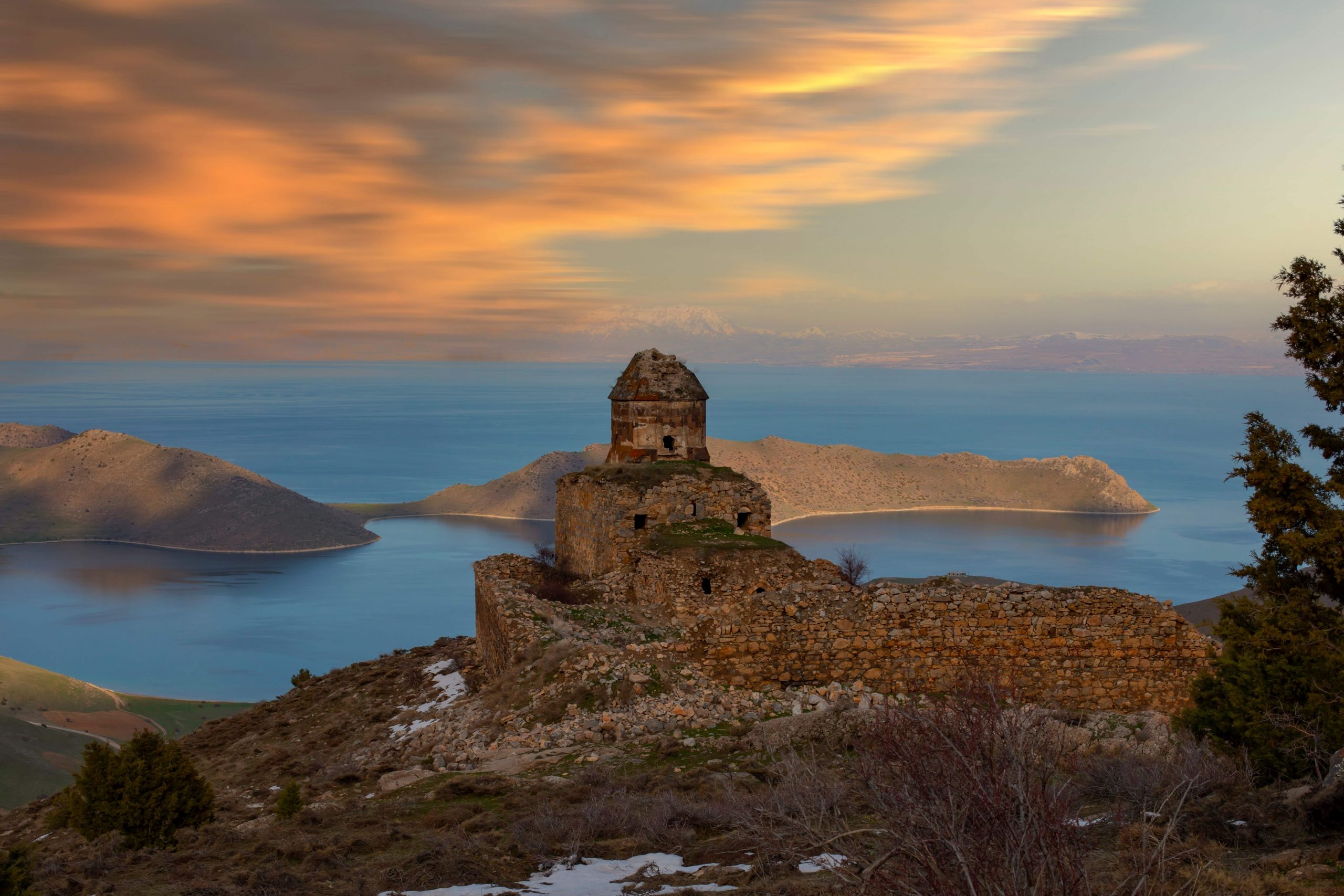
Lake Van is the only river outlet from this vast inland sea. It was blocked by volcanic eruption millennia ago, so the lake is highly alkaline, like the Dead Sea between Israel and Jordan.
In the middle of Van Lake is Akdamar Island, boasting the Holy Cross Church, Turkey's only surviving Armenian Church with preserved mosaics and wall paintings.
Around Lake Van, there are several historic towns, including the city of Van and the nearby archeological site of Çavuştepe, with cuneiform inscriptions dating back to the Kingdom of Urartu almost 3000 years ago. Van Castle, which the Kingdom of Urartu built in 9 B.C., and the Hoşap Castle.
At Ahlat on the north shore, there's the eerie Ahlat Seljuk Turkish cemetery, the only one of its kind in Turkey.
Top Sights
Akdamar Island and Holy Cross Church: Akdamar Island is one of the unique mini islands in Turkey. It is located in the middle of the Van Lake and boasts the impressive Holy Cross Church, popular among those visiting the city.
Çavuştepe: Built in the 8th century B.C., it used to be an Urartu Castle. Today, it's only the remnants of what was once a castle.
Hoşap Castle: 50 km away from the city center of Van, this castle was built by one of the Kurdish tribes in Anatolia in 1643. It is preserved well compared to Çavuştepe and might be an overall better experience.
Iğdır & Doğubayazıt
In the shadow of Mount Ararat and a four-hour ride east of Erzurum, Doğubayazıt is the jumping-off point for trips into Iran and visits to the dramatic İshak Pasha Palace,6 km (4 miles) east of town, is a fine example of Ottoman palaces, built on top of a hill,
If you have time, you can also visit the Noah's Ark National Park, believed to be the remnants of the biblical ship.
Top Sights
İshak Pasha Palace: Built in the 18th century, this palace looks as if just out of a Middle Earth. If you ever get the chance, take advantage to take some snaps.
Noah's Ark National Park: Also known as Durupınar Site, Noah’s Ark National Park is a geological formation that is believed to be the remains of Noah’s Ark. However, we have to note there is high speculation among locals and visitors alike.
Kars & Ani
Held by the Russians for 42 years, Kars has the feeling of an outpost of empire. It's about as different from Istanbul as you can get (in Turkey).
Kars is your base for visits to the great medieval Armenian capital of Ani, 45 km (28 miles) to the east. Here, you can visit the Ani Cathedral and Church Of St Gregory, one of the region's greatest architectures left by Armenians. You can also cross into Georgia at Posof.
Top Sights
Ani Cathedral: Completed in the year 1001, the Cathedral of Ani is the remains of an Armenian Church, well-preserved throughout the years.
Church Of St Gregory: The Church Of St Gregory is the remains of a small church located in the ancient Armenian city of Ani, modern-day Kars.
Malatya
Malatya is another hub for travelers to Eastern Turkey. While there is not much to do in this small city, you can visit the nearby sites, such as the Aslantepe Ruins, used as a Roman town and a Byzantine burial, and Somuncu Baba Turbesi ve Kulliyesi (Shrine), a complex for a tomb for a local saint, a mosque and a pretty garden fixated on a scenery gorge.
Top Sights
Aslantepe Tumulus: This ancient Tumulus has been around for more than 5.000 years and is today used as an open-air museum, waiting to welcome its visitors for a travel back in time.
Somuncu Baba Turbesi ve Kulliyesi (Shrine): This beautiful building complex is fixated on a beautiful gorge offering views that area unique few.
Kaçkar Mountains
The Kaçkar Range north of Erzurum is excellent for trekking and river rafting. Its small mountain towns (like Yusufeli) produce abundant crops of fruit and often harbor interesting 1000-year-old churches left from the time when this was the medieval Kingdom of Georgia.
Nemrut Dağı
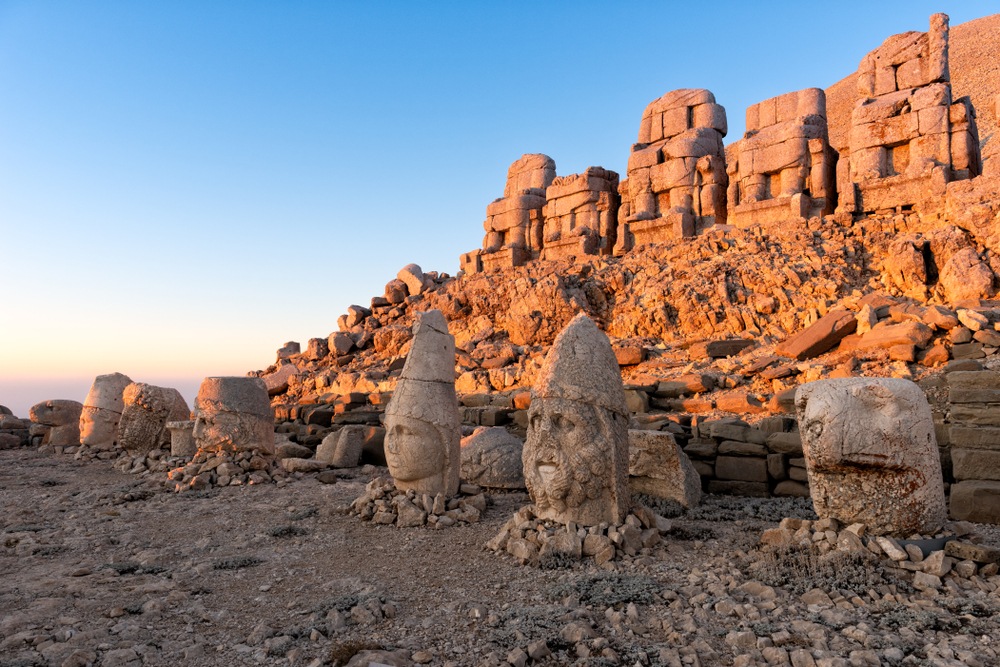
"Mount Nimrod," south of Malatya and north of Adıyaman and Kâhta, is one of Turkey's most astounding sights: an artificial mountain top framed by two great temples littered with colossal statues of gods—and one megalomaniac king which was built as a tomb for king Antiochus Theos of Kommagene (69-34 B.C.)
The area's scenery and atmosphere are impeccable, and you have to see it if you ever find yourself in Eastern Turkey. Remember to pack your clothes as the altitude is high, and it can get very chilly.

Southeastern Turkey
Southeastern Turkey has a separate climatic region, which is best visited anytime except summer, unlike the East. If you combine it with a tour of the East, be aware of the climate difference.
—by Can Turan

 Best Travel Agencies
