




Traveling to Turkey as a woman can be an incredibly enriching experience. The country exudes a mysterious charm that captivates and inspires women travelers. For foreign tourists, witnessing the remarkable determination and hard work of Turkish women, both in the past and present, adds an extra layer of depth to your journey.
Everywhere you go, you'll encounter women immersed in various endeavors, whether it's running stalls selling their own crafted bags, hats, and dresses, or witnessing elderly women skillfully preparing gözleme, a traditional Turkish dish, among other remarkable scenes.
There are many amazing experiences in Turkey from eating delectable Turkish food, riding in hot air balloons in Cappadocia, exploring the Blue Mosque, sunbathing on the Turquoise Coast, and so much more. Whether traveling Turkey solo or in a group, this beautiful country has a lot to offer. As a woman visiting Turkey, rest assured that you have nothing to worry about. You can feel as comfortable as if you were visiting any European destination.
What To Wear in Turkey
When preparing your suitcase for Turkey, it's important to prioritize your comfort. Therefore, it's beneficial to pack clothes suitable for various situations. Consider the location of your hotel or the places you plan to visit, and dress appropriately for the seasons as well.
In the summer, it's wise to opt for more conservative clothing in cities to avoid unwanted attention. While you have the freedom to dress as you please at the seaside, it's advisable to choose more modest attire in rural areas, more conservative cities, or when visiting a religious site.
You can dress more freely in the southern and western parts of the country because cities such as İzmir, Muğla, and Antalya are coastal cities. However, the Northern and Eastern regions and the Central Anatolian parts are more conservative. For this reason, you can choose your clothes considering the cities you will travel to.
When using public transportation like buses and trains, it's worth noting that you can specify your gender when buying a seat. This means that if you purchase your ticket as a woman, only another woman can select a seat next to you, ensuring a more comfortable journey. Additionally, since buses, trains, and planes are often air-conditioned, it's advisable to bring a jacket or cover to stay warm. When using public transport within the city, opt for clothes that make you feel secure as you'll be interacting with people from all walks of life. While there's no specific norm that would make you uncomfortable in Turkey, considering the cosmopolitan nature of the country, it's useful to prepare for your trip by taking into account the more conservative customs of some tourists and residents.
Read more here about What Women Wear in Turkey, What to Wear in Turkey, and Turkish Weather & Seasons.
Women in Turkish Society
Solo female travelers may find it helpful to research male-female relations in Turkey before their trip. While women's roles in the past primarily involved household work and child-rearing after marriage, it has significantly evolved with the advent of the Republic. Even during the Ottoman period, there were noteworthy studies on women actively participating in various aspects of life.
In present-day Turkey, women have the opportunity to contribute in all spheres. Policies are being implemented to enhance women's employment opportunities. Empowering women and enabling them to pursue their aspirations are paramount goals. Consequently, it is common to see women occupying important positions in various industries in Turkey. Read more about Women in Turkish Society.

Turkish Culture
Turkish people are known for their friendliness and hospitality. When you engage in conversation with someone who speaks English, you may find that they are eager to offer help and suggestions, even if you haven't explicitly asked for assistance. They'll enthusiastically recommend the best restaurants to try and highlight must-see attractions. Some may even express a desire to meet and chat with you about your trip. However, for your own safety, it's advisable to exercise caution and use discretion when sharing personal information such as your accommodation or detailed travel plans.
When seeking directions, it's not uncommon for locals to provide guidance, even if they are not familiar with the exact location you're looking for. To ensure accuracy, you can double-check the information by asking one or two additional people. By taking these precautions, you can strike a balance between enjoying the friendly nature of Turks and maintaining your personal safety.
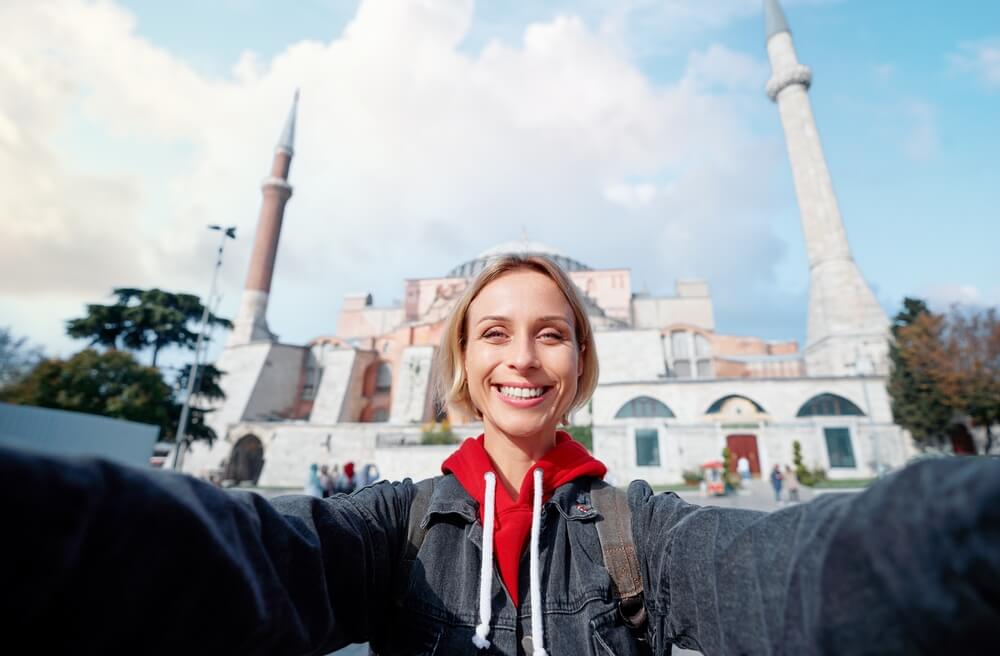
Female Travel in Turkey: Understanding Cultural Norms
It's essential to consider some sociological factors when traveling in Turkey. Turkish people generally treat women with kindness and respect. It's not uncommon for someone to hold the door open or offer assistance with carrying heavy items. When you encounter such gestures, it's customary to politely express gratitude by saying thank you. These acts of courtesy are ingrained in Turkish culture and reflect the general demeanor toward women.
Turkish people generally can be curious about foreigners who visit their country and it's common to be asked general questions about your travels. However, if someone asks you where you are going, where you are from, or other personal questions you don't wish to answer, you can continue on your way or tell them you'd rather not discuss this topic. Solo female travelers may find that it's wise not to divulge that you are traveling alone and instead say that your friends are waiting for you.
Most of the time, if you are approached in a touristy area, it might be a salesperson trying to establish friendly communication before guiding you to their shop to have some tea and view their wares. This is common in some busy areas of Istanbul but you can politely decline, though expect that they will have a witty response for the many rejection phrases they hear.
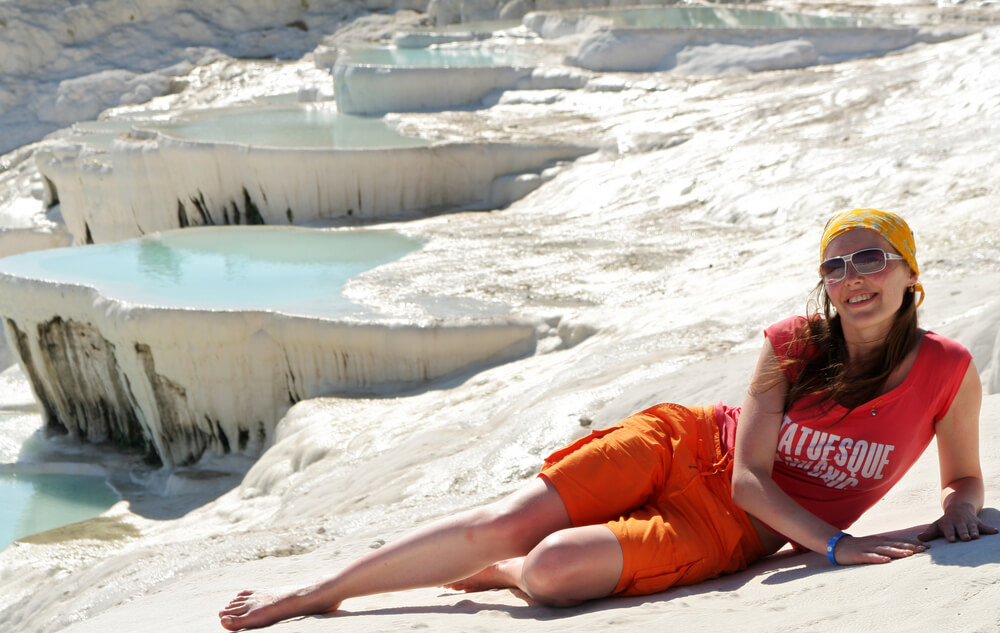
Dealing With Unwanted Behavior
If you encounter unwanted attention from Turkish men, foreigners, or other tourists, it's important to assertively reject it and remain strong. Exercise caution when choosing whom to engage in conversation with or ask for assistance. Seek out other young women who you believe can speak English or approach shops if you need help. If you sense someone's eyes on you while walking, avoid making eye contact or giving the impression that you are responding to their attention.
If someone starts to excessively touch or invade your personal space, it's crucial to resist such behavior. It's not a social norm for Turks to engage in unnecessary physical contact with random strangers. In an unpleasant situation, after physically defending and protecting yourself, don't hesitate to shout for help. You can seek assistance from nearby shops, bank security guards, or apartment security guards, if available. Many workplaces and shops have security personnel who stand at the business entrance. Turkish people tend to be protective and willing to help. If necessary, report the incident to the police for further assistance. The emergency number in Turkey is 112. Read more about staying safe in Turkey.
By following these safety tips and being aware of your surroundings, you can have a memorable and enjoyable experience as a woman traveler in Turkey.

Where To Stay
When it comes to choosing accommodation as a solo female traveler, it's crucial to prioritize safety. Opting for a place located in the travel center or central areas can be particularly beneficial. By doing so, you minimize the need to venture into unfamiliar or remote locations at night, ensuring a more comfortable and secure experience. Ideally, aim for accommodations that are within walking distance of your desired attractions or have easy access to public transportation.
Before finalizing your booking, it's advisable to thoroughly read reviews and feedback about the place you intend to stay. This step allows you to gain insights from previous guests and assess the safety measures and experiences of fellow female travelers. Positive reviews that highlight security, helpful staff, and a welcoming environment can contribute to a sense of reassurance.
Consider factors such as 24-hour front desk service, well-lit surroundings, secure entry systems, and the presence of surveillance cameras, as they can enhance the overall safety of your chosen accommodation. Additionally, trusted accommodation options for solo female travelers include reputable hotels, hostels with female-only dormitories, or renting an apartment from a reliable source.
Prioritizing your safety and peace of mind while selecting accommodation ensures that you have a comfortable and worry-free stay during your solo travels.

Staying Safe in Turkey as a Female Traveler
Particularly for solo travelers, you may also feel more assurance if you purchase a Turkish SIM card. This will allow you to use Google Translate, communicate more easily with locals, or get assistance in an emergency. It may also give you some peace of mind to purchase travel insurance.
Turkey is a captivating destination for women travelers, offering a blend of cultural richness, warm hospitality, and diverse landscapes. Whether exploring bustling cities, indulging in delicious cuisine, or immersing oneself in historical sites, the country provides an enriching experience. By being aware of cultural norms, dressing respectfully, and prioritizing safety, women can confidently embark on their journey. Turkish people's friendliness and helpfulness add to the overall charm of the country, while precautions against unwanted attention ensure a secure trip. With its unique blend of history, natural beauty, and welcoming atmosphere, Turkey awaits female travelers, ready to offer unforgettable experiences and cherished memories.
Frequently Asked Questions (FAQ) - Women Travelers in Turkey
Is it safe to travel to Turkey as a woman?
Turkey is generally considered safe for female travelers. Like any other destination, it's essential to take common-sense precautions such as being aware of your surroundings, avoiding isolated areas at night, and using reliable transportation. Turkey is a popular tourist destination, and many solo female travellers visit the country without any issues.
Is Turkey safe to travel to?
Yes, Turkey is generally safe to travel to as a solo woman or with friends. Like any other destination, it's important to exercise caution and be aware of your surroundings. While isolated incidents and petty crime can occur, millions of tourists visit Turkey each year without experiencing any safety issues. It's advisable to stay informed about the current situation, follow travel advisories from your home country, and take common-sense precautions such as avoiding political demonstrations and staying in well-populated areas. By being vigilant and respectful of local customs, you can have a safe and enjoyable trip to Turkey. Read more about safety tips and safety of visiting Turkey.
Are there any specific dress codes for women in Turkey?
Turkey is a diverse country, and the dress code varies depending on the region and the context. In major cities like Istanbul, Ankara, and Izmir, you can dress more liberally, similar to Western cities. However, when visiting rural areas or conservative regions, it is respectful to dress more modestly, covering your shoulders and knees. It's always a good idea to carry a scarf or shawl to cover your head when visiting religious sites.
How do Turkish people generally treat women travelers?
Turkish people are known for their friendliness and hospitality. You may encounter locals who are eager to help and provide recommendations. However, as a solo female traveler, it's always wise to use common sense and be cautious when interacting with strangers, as you would in any unfamiliar environment.
What should I do if I face unwanted attention or harassment?
Unwanted attention can happen in any destination, and Turkey is no exception. If you encounter unwanted attention or harassment, it's important to trust your instincts and prioritize your safety. It can be helpful to project confidence, avoid engaging with individuals who make you uncomfortable, and seek assistance from local authorities or fellow travelers if needed. As with any solo female travel, it's also recommended to share your itinerary and stay in touch with someone you trust back home.
Are there any helpful Turkish phrases I should know to deal with unwanted behavior?
Learning a few helpful Turkish phrases can be beneficial during your travels. Here are some examples:
- I don't want to: İstemiyorum
- Go away: Git buradan
- Shame on you: Çok ayıp
- Help me: Yardım edin
- Leave me alone: Bırak beni




 Best Travel Agencies
